
What to do when your apartment has an emergency: heat, water or lock issues
By Ross Quade · Updated 2026-06-10
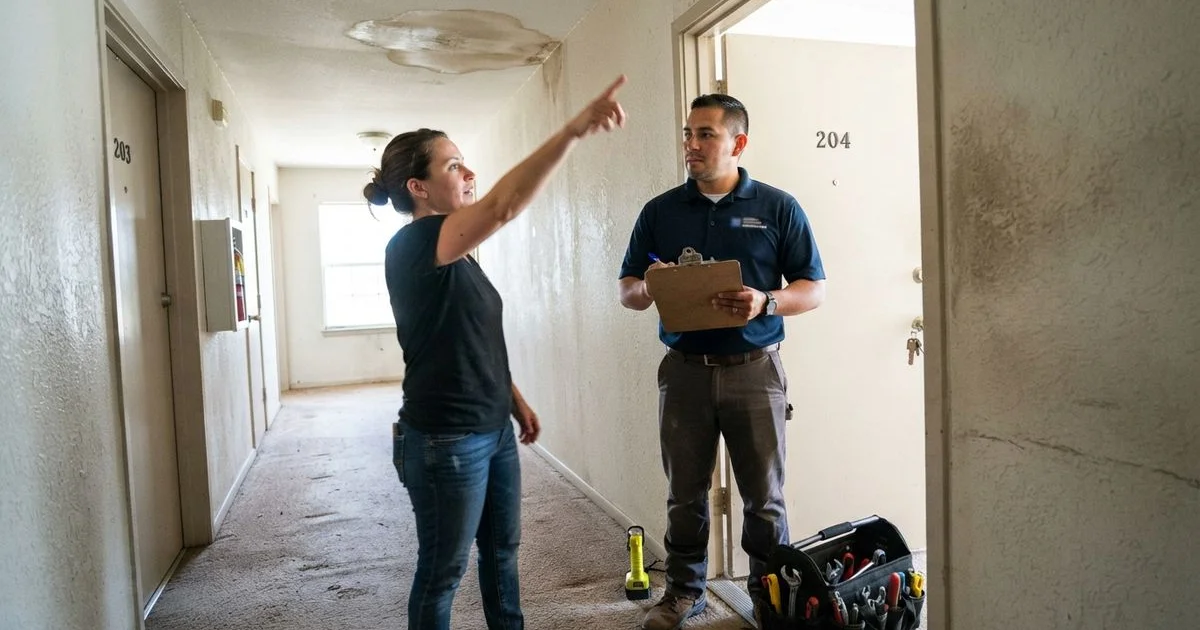
An apartment emergency, no heat during a cold snap, no water, a broken exterior lock, needs a different response than a routine maintenance request, and most leases actually spell out a faster commitment for true emergencies. Knowing the right way to report one, and what your options are if nothing happens, makes a stressful situation more manageable.
What actually counts as an emergency
Most Austin-area leases define an emergency narrowly: no heat or air conditioning during extreme temperatures, no running water, a gas leak, significant flooding, a broken exterior door or window lock, or anything creating an immediate safety risk. A slow drain, a dripping faucet, or a burned-out lightbulb, while annoying, typically falls under standard maintenance timelines rather than the emergency line.
How to report it correctly
- Use the emergency contact method specified in your lease or welcome packet, not just a general maintenance request form, which may route to a slower queue.
- Be specific. “No hot water since this morning” gets a faster, more accurate response than “water isn’t working right.”
- Follow up in writing, even after a phone call, so there is a timestamped record of when you reported it.
- Note the time you called and who you spoke with, in case you need to escalate later.
| Issue type | Typical response commitment | How to report |
|---|---|---|
| No heat/AC in extreme weather | Same day, often within hours | Emergency maintenance line |
| No running water | Same day, often within hours | Emergency maintenance line |
| Locked out (broken lock) | Same day | Emergency maintenance line or after-hours number |
| Locked out (lost keys, no damage) | Varies, sometimes a fee | After-hours courtesy line, may not be free |
| Slow drain, minor leak | Standard timeline, 24-72 hours | Standard maintenance request |
If nothing happens
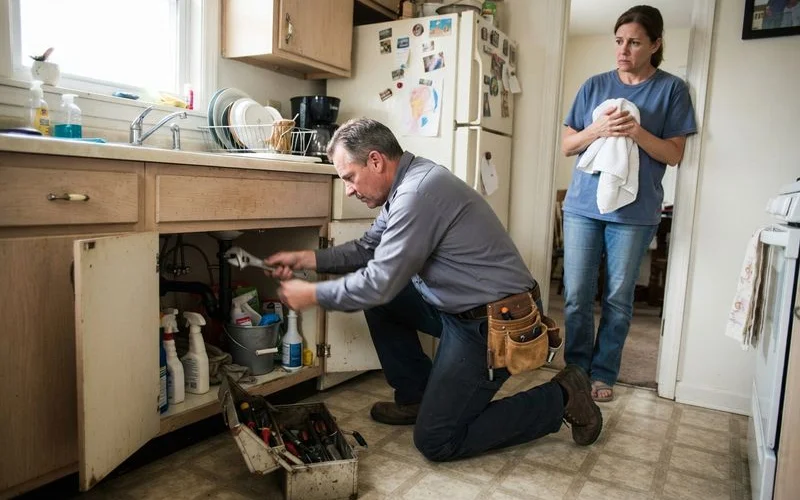
If a genuine emergency goes unaddressed past the timeframe your lease specifies, follow up in writing referencing your original report time. Texas law requires landlords to maintain conditions that materially affect habitability once properly notified in writing, and an unaddressed no-heat or no-water situation generally falls squarely under that standard. Keep every communication in writing from this point forward.
This is general information, not legal advice; if a serious emergency goes unresolved for an extended period despite proper written notice, a tenant rights organization can help you understand remedies available under Texas law, which can include lease-related relief in serious, documented cases.
After-hours lockouts specifically
Check your welcome packet for the property’s after-hours emergency contact before you actually need it, since finding this information for the first time while standing outside your door is its own kind of stressful. Some properties provide a free lockout for a broken or malfunctioning lock but charge a service fee for a simple lost-key lockout, so understand the distinction ahead of time.
When a repair reveals a bigger problem
Sometimes an emergency call uncovers something larger than the immediate fix, a water leak that turns out to be a slow pipe issue, or a lock that keeps failing because of a warped door frame. If a technician tells you the fix is temporary, ask directly what the permanent repair plan is and when it is scheduled, and get that answer in writing if you can. A temporary patch that never gets a permanent fix is a common source of repeat emergencies.
What to do while you wait
If a genuine emergency (no heat in freezing weather, no water) is taking longer than promised to resolve, ask the leasing office directly whether they can offer temporary accommodations or a partial rent credit for the disruption. Not every property offers this, and it is not guaranteed, but it is a reasonable ask for a serious, prolonged habitability issue, and many leases or state law provide some basis for it in extended cases.
Preventing the next one
Save your property’s emergency contact number in your phone now, not after you need it, and keep a written or photo record of your unit’s heating, cooling and plumbing condition from move-in, so you have a clear before-and-after if a dispute comes up later. If you are still searching or just relocated, our guide on moving to Austin for a new job covers what to line up before you ever need this list. Our methodology explains how we factor maintenance responsiveness into how we score the communities in this directory, and Austin Apartment Reviews Guide is a good place to check how a specific property has handled emergencies for recent residents before you sign there.
Frequently asked questions
- What counts as an apartment maintenance emergency?
- Generally, no heat or no air conditioning in extreme weather, no running water, a gas leak, flooding, a broken exterior door lock, or anything posing an immediate safety risk. A dripping faucet or a slow drain typically does not qualify as an emergency.
- How fast should management respond to an emergency maintenance request?
- Most leases specify a response window for true emergencies, often within a few hours, separate from the standard non-emergency repair timeline. Check your specific lease for the stated commitment.
- What if I am locked out of my apartment after hours?
- Most communities have an after-hours emergency line specifically for lockouts, though some charge a fee for a lockout unrelated to a broken lock. Check your welcome packet or the property's posted emergency contact information.
- What do I do if management does not respond to a real emergency?
- Document the issue in writing with the time you reported it, and follow up in writing if there is no response within the timeframe your lease specifies. A pattern of ignored emergency requests can support a habitability claim under Texas law.